
Introduction
A stroke happens when blood flow to the brain stops. This can damage brain cells. As a result, many people have trouble with movement. Often, improving balance and gait after stroke becomes a key goal. Balance means staying steady while standing or moving. Gait is the way you walk. After a stroke, both can be affected. However, with the right rehabilitation, many people regain strength and confidence. Early therapy and support are important for recovery.
Symptoms and Challenges
After a stroke, people may notice changes in how they move. For example, some common balance and gait issues include:
Additionally, some people may feel dizzy or weak. Others may have numbness or stiffness in their legs. Because of these challenges, daily tasks can become harder. But with help, many people improve over time.
Causes
Stroke can damage parts of the brain that control movement. As a result, muscles may not work as they should. Sometimes, one side of the body becomes weaker. This can make walking and standing difficult. In addition, stroke may affect balance by changing how the brain senses body position. Weakness, stiffness, and poor coordination all play a role. Therefore, it is common for stroke survivors to need extra support at first.
Diagnosis and Assessment
Healthcare professionals use several methods to check balance and gait after stroke. First, they may watch how you walk. They might ask you to stand, turn, or move in different ways. Sometimes, they use special tests to measure strength and coordination. For example, the Timed Up and Go test checks how fast you can stand and walk a short distance. In some cases, doctors may use imaging tests to see which brain areas are affected. Early assessment helps create a safe and effective recovery plan.
Treatment and Rehabilitation Approaches
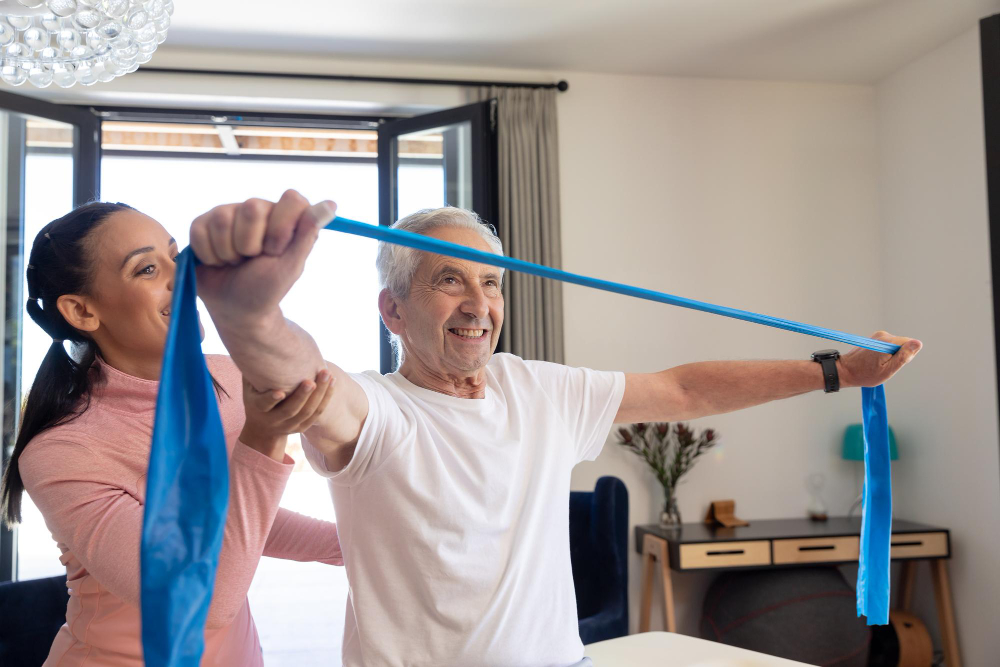
There are many ways to improve balance and gait after stroke. Most people benefit from stroke rehabilitation exercises. A physiotherapist can design a program just for you. Some common approaches include:
In addition, some centers offer advanced therapies. For example, treadmill training or robotic devices may be used. According to the World Health Organization and recent studies, early and regular physiotherapy for stroke survivors leads to better outcomes. Always follow your therapist’s advice for best results.
Lifestyle and Home Tips
Making small changes at home can support recovery. Here are some gait recovery tips and ways to stay safe:
Furthermore, staying active helps build strength and confidence. Even short walks or gentle stretches can make a difference. If you live in a city, check for local rehabilitation centers or support groups. They can offer extra help and resources.
Prevention of Further Complications
After a stroke, it is important to prevent falls and other problems. Here are some ways to reduce risks:
Moreover, knowing your limits and asking for help can prevent injuries. If you feel dizzy or weak, rest and call for assistance. Early action can stop small problems from becoming serious.
Conclusion
Recovering balance and gait after stroke takes time and effort. However, with the right support, many people see great progress. Rehabilitation, home safety, and healthy habits all play a role. For the best results, consult a physiotherapist or rehabilitation specialist for personalized guidance on improving balance and gait after stroke.