
Understanding Stroke and Its Impact on Arm and Hand Function
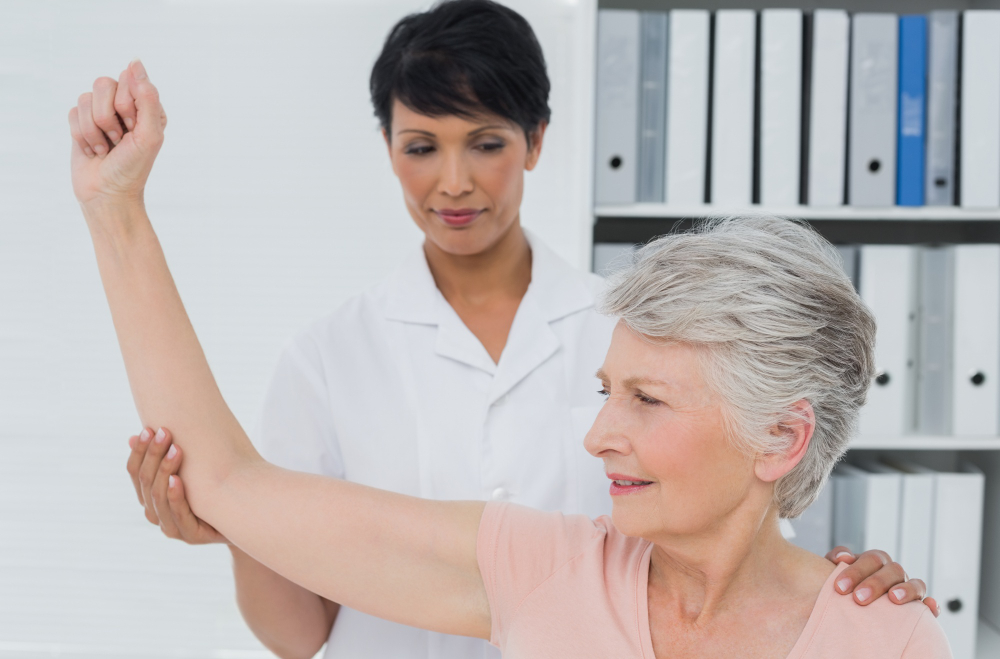
Stroke can change a person’s life in many ways. Often, it affects the arm and hand on one side of the body. Because of this, daily tasks like eating, dressing, or writing may become hard. Physiotherapy for arm and hand recovery post stroke helps people regain movement and strength. Early therapy can make a big difference in recovery.
Common Symptoms and Challenges After Stroke
After a stroke, many people notice weakness or stiffness in their arm or hand. Sometimes, they may not feel or move their arm at all. Other common challenges include:
Because these symptoms can limit independence, early and regular therapy is important.
The Importance and Goals of Physiotherapy
Physiotherapy for arm and hand recovery post stroke aims to restore movement, strength, and function. In addition, it helps prevent problems like joint stiffness or muscle shortening. The main goals of physiotherapy include:
With the right support, many people see progress over time.
Evidence-Based Physiotherapy Techniques and Exercises
There are many proven techniques for upper limb stroke recovery. For example, therapists may use:
Because every person is different, a physiotherapist will choose the best exercises for each case.
Tips for Safe Home Exercises and Daily Activity Adaptation
Many exercises can be done at home to support stroke rehabilitation. However, safety is key. Here are some tips:
For daily activities, try using larger handles or adaptive tools. In addition, keep items within easy reach to reduce strain.
Preventing Complications: Stiffness and Contractures
After a stroke, some people develop stiff joints or tight muscles, called contractures. To prevent these issues:
Because prevention is easier than treatment, regular movement is very important.
Expected Outcomes and Recovery Timelines
Recovery after stroke is different for everyone. Some people see quick progress, while others improve slowly. Most gains happen in the first six months, but improvement can continue for years. With regular physiotherapy for arm and hand recovery post stroke, many people regain some movement and independence. However, patience and persistence are key.
When to Consult a Physiotherapist or Specialist
If you or a loved one has trouble moving the arm or hand after a stroke, see a physiotherapist soon. Early therapy leads to better results. In addition, consult a specialist if you notice:
For those in need, stroke rehabilitation centers in your area can offer expert care and support.
Conclusion
In summary, physiotherapy for arm and hand recovery post stroke is vital for regaining movement and independence. With the right exercises, support, and patience, many people improve over time. Consult a qualified physiotherapist for personalized stroke recovery guidance.