
Why Hip Strength and Core Endurance Matter
Strong hips and a stable core help you move with ease. In fact, exercises for hip strength and core endurance can make daily tasks safer and easier. When these muscles are weak, you may notice pain, poor balance, or even injuries. Therefore, building strength in these areas is important for everyone, not just athletes.
Benefits of Improving Hip and Core Muscles
When you work on your hip and core muscles, you gain many benefits. For example, you may notice better posture and less back pain. Also, your balance and stability improve. As a result, you can prevent falls and injuries. In addition, strong hips and core muscles support your lower back and legs during movement.
Common Causes of Weak Hips and Core
Many people have weak hips and core muscles. Often, this happens because of a lack of movement. For instance, sitting for long hours at work or home can weaken these muscles. Sometimes, injuries or certain health conditions also play a role. However, regular exercise can help prevent and fix this weakness.
Step-by-Step Hip Strength Exercises
Below are safe home exercises for hip strength. Always warm up before starting. If you feel pain, stop and rest. For best results, try these exercises two to three times a week.
1. Side-Lying Leg Raises
For added safety, keep your hips stacked and do not twist your body.
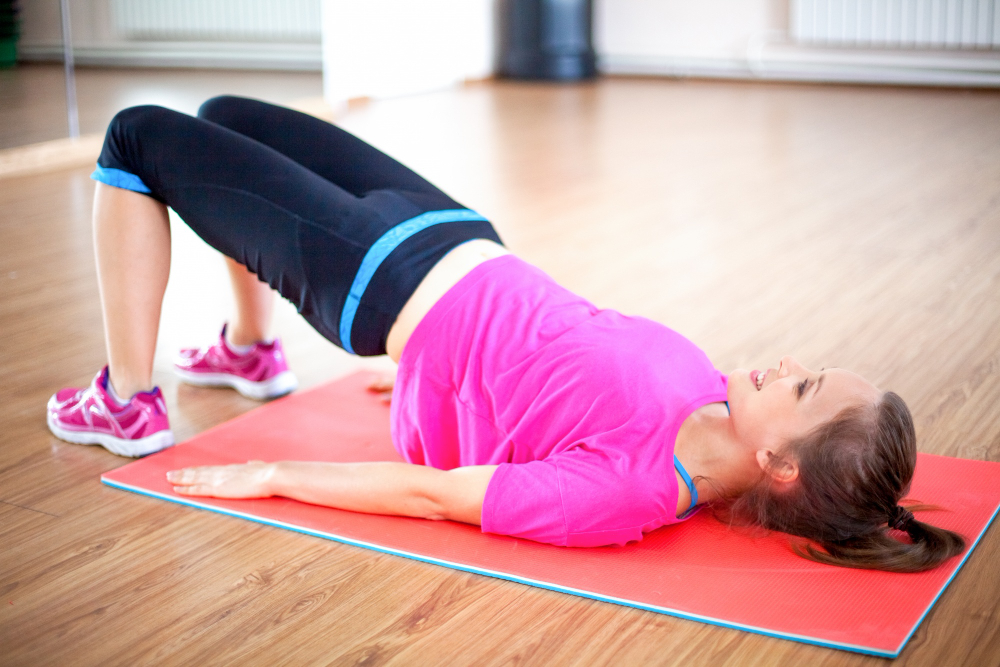
2. Glute Bridges
Remember, do not arch your back. Instead, use your hip muscles to lift.
3. Standing Hip Abductions
Keep your toes facing forward for best results.
Step-by-Step Core Endurance Exercises
Core endurance workouts help your body stay strong during movement. These exercises are safe for beginners and can be done at home. Always breathe steadily and stop if you feel pain.
1. Plank (Knee or Full)
Do not let your hips sag or rise too high.
2. Dead Bug
Keep your lower back pressed to the floor throughout.
3. Bird Dog
Keep your back flat and avoid twisting.
Tips for a Balanced Exercise Routine
To get the best results, mix hip strength and core endurance exercises. For example, you can do hip exercises one day and core exercises the next. In addition, always include a warm-up and cool-down. Stretching after your workout can help prevent soreness.
Precautions and When to Consult a Physiotherapist
While these exercises are safe for most people, some may need extra care. For instance, if you have pain, recent injury, or a health condition, talk to a physiotherapist first. Also, stop any exercise that causes sharp pain or numbness. A physiotherapist can help you choose the right exercises and ensure proper form. This reduces the risk of injury and helps you reach your goals safely.
Lifestyle Guidance for Hip and Core Health
Besides exercise, daily habits matter for hip and core health. For example, avoid sitting for long periods. Instead, stand up and move every hour. In addition, maintain a healthy weight and eat a balanced diet. Good sleep and stress management also support muscle health.
Preventing Injuries from Weak Hips and Core
Weak hips and core muscles can lead to falls, back pain, and joint problems. However, regular exercise and healthy habits can prevent these issues. Always use proper form and avoid overdoing it. If you notice pain or discomfort, rest and seek advice.
Conclusion
In summary, exercises for hip strength and core endurance are key for a healthy, active life. With simple steps and safe routines, you can build strength at home. However, if you have concerns or health issues, consult a physiotherapist for personalized exercise guidance and to ensure safety.