
What is Sciatica?
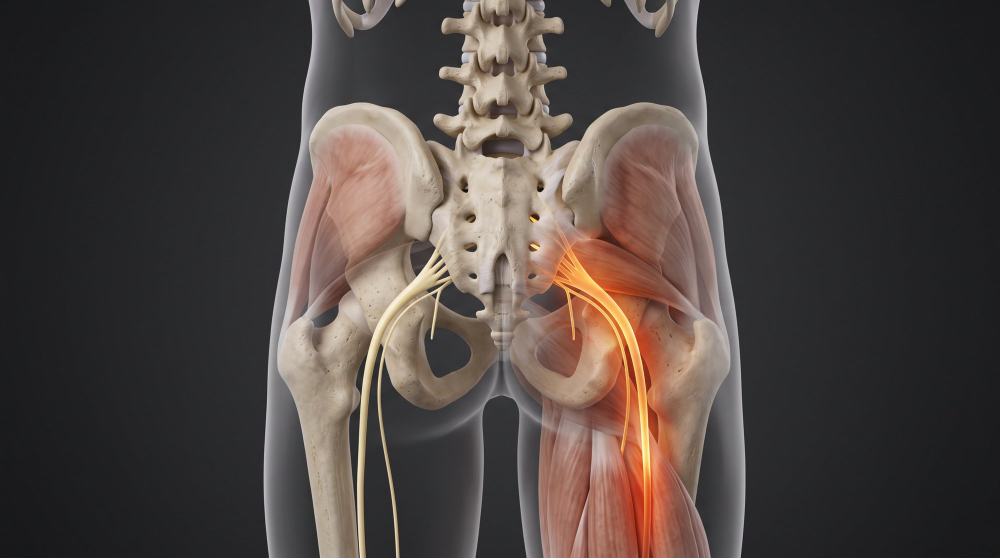
Sciatica is a type of pain that starts in the lower back and travels down one leg. Often, this pain follows the path of the sciatic nerve. This nerve is the largest in your body. It runs from your lower back, through your hips, and down each leg. Because sciatica affects many people, it is a common reason for back and leg pain. According to the CDC, sciatica can affect people of all ages, but it is more common in adults. While sciatica can be mild, it sometimes causes severe pain that makes daily tasks hard.
Common Symptoms of Sciatica
Many people wonder what sciatica symptoms feel like. Usually, the pain starts in the lower back or buttock and moves down the leg. Sometimes, the pain is sharp or burning. In addition, you may notice other signs. For example, you might feel:
However, not everyone has all these symptoms. Some people may have only mild discomfort, while others have severe pain. If you notice any of these signs, it is important to talk to a healthcare provider.
Causes and Risk Factors
Sciatica happens when something presses on or irritates the sciatic nerve. Most often, a slipped or herniated disc in the spine is the cause. But, there are other reasons as well. For instance, bone spurs, spinal narrowing (called stenosis), or injury can lead to sciatica pain. In some cases, even sitting for long periods can make it worse. Common risk factors include:
Because these factors can increase your risk, it helps to know them. That way, you can take steps to lower your chances of developing sciatica.
How Sciatica is Diagnosed
Doctors use several methods to diagnose sciatica. First, they ask about your symptoms and medical history. Next, they perform a physical exam to check your strength, reflexes, and feeling in your legs. Sometimes, doctors order tests to find the cause. For example, they may use:
In many cases, these tests help confirm the diagnosis. If you are wondering how is sciatica diagnosed, remember that a doctor will use your symptoms and these tests to find the cause.
Treatment Options for Sciatica
There are many sciatica treatment options available. For most people, the pain improves with simple care at home. For instance, rest, gentle stretching, and over-the-counter pain medicine can help. However, some people need more treatment. Common options include:
Because each person is different, your doctor will choose the best treatment for you. According to the CDC and WHO, most people recover from sciatica without surgery.
Lifestyle Tips and Prevention
Even though sciatica can be painful, there are ways to lower your risk. For example, staying active and keeping a healthy weight can help. Here are some simple tips for relief for sciatica pain and prevention:
By following these tips, you may prevent sciatica or reduce your pain. If you live in a city with many walking paths, try to walk daily. Always talk to your healthcare provider before starting new exercises or treatments.