
Introduction
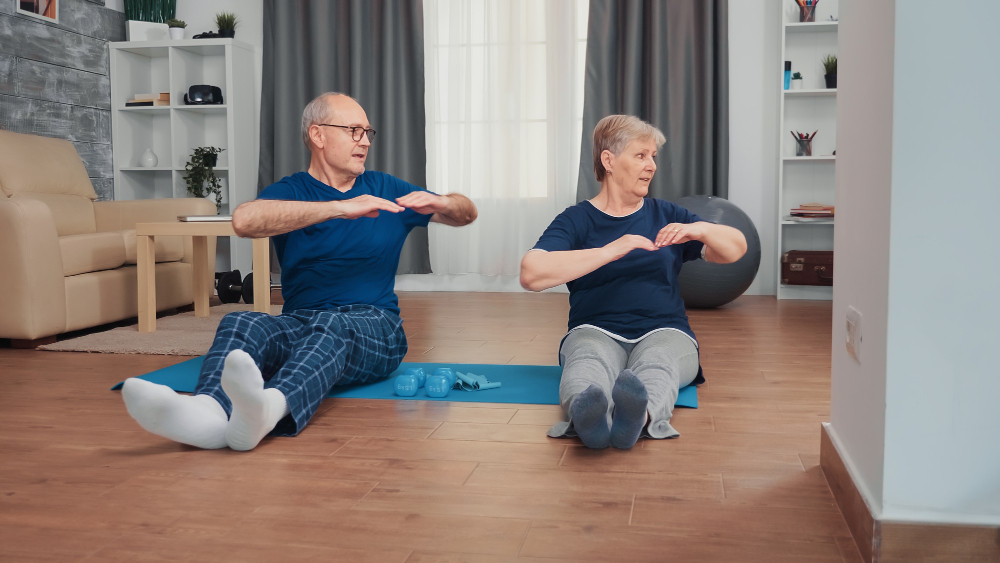
Many stroke survivors experience muscle stiffness, also called spasticity. This tightness can make moving difficult. However, exercises to reduce muscle stiffness after stroke can help improve movement and comfort. With the right stroke rehabilitation exercises, you can manage spasticity and regain some independence. In this blog, you will learn about spasticity, its effects, and safe ways to reduce post-stroke muscle tightness.
What Is Muscle Stiffness (Spasticity) After Stroke?
Spasticity means your muscles feel tight or stiff. Sometimes, they may even jerk or twitch. After a stroke, the brain may not send clear signals to your muscles. As a result, muscles can become overactive and hard to control. Common symptoms include:
Because the brain controls movement, a stroke can disrupt these signals. Therefore, spasticity often appears in the weeks or months after a stroke. It can affect daily tasks like walking, dressing, or eating.
Benefits of Exercise for Spasticity Management
Regular exercise is key for spasticity management. In fact, stroke rehabilitation exercises help keep muscles flexible and strong. Here are some benefits:
Moreover, physiotherapy for stroke can help you regain confidence and independence. According to the World Health Organization (WHO), early and regular movement is important for recovery.
Safe Exercises to Reduce Muscle Stiffness After Stroke
Before starting, always talk to your doctor or physiotherapist. They can guide you on safe exercises to reduce muscle stiffness after stroke. Here are some simple options:
Always stop if you feel pain. Also, keep breathing and avoid holding your breath during exercises.
Tips for Exercising Safely After Stroke
Starting a new routine can feel hard. However, these tips can help you exercise safely:
Most importantly, regular check-ins with your healthcare team can help you stay on track.
When to Seek Professional Help
Sometimes, you may need extra support. Contact your doctor or physiotherapist if you notice:
Early help can prevent complications and keep you safe.
Prevention and Long-Term Management
Managing spasticity is an ongoing process. Therefore, healthy habits can make a big difference. Consider these strategies:
With time and effort, you can reduce post-stroke muscle tightness and improve your quality of life.
Conclusion & Call-to-Action
In summary, exercises to reduce muscle stiffness after stroke are vital for recovery. Regular movement, safe stretching, and professional support can help manage spasticity. For the best results, consult your doctor or physiotherapist. They can create a plan tailored to your needs. Take the first step today and start your journey to better movement and comfort.