
What is Cerebral Palsy?
Cerebral palsy is a group of conditions that affect movement and muscle control. It happens because of brain damage, often before or during birth. Children and adults with cerebral palsy may have trouble walking, moving, or keeping their balance. Although the condition does not get worse over time, its effects can change as a person grows. For many families, understanding cerebral palsy is the first step toward better care.
How Physical Therapy Helps Cerebral Palsy
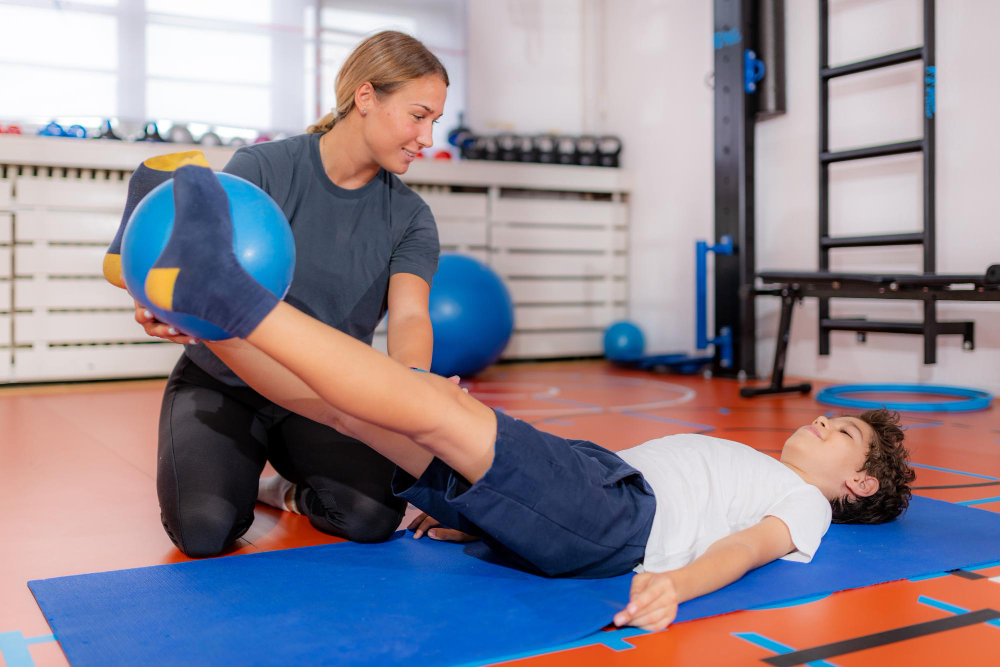
Physical therapy for cerebral palsy is a key part of treatment. It focuses on improving mobility in cerebral palsy and helps people move better. Therapists use special exercises and activities to build strength and flexibility. As a result, children and adults can do more on their own. Physical therapy also supports rehabilitation for children with cerebral palsy, making daily life easier.
Key Benefits of Physical Therapy for Cerebral Palsy
Physical therapy offers many benefits for people with cerebral palsy. Some of the main advantages include:
Because every person is different, physical therapy plans are tailored to each individual’s needs.
Common Physical Therapy Techniques Used
Therapists use many techniques to help people with cerebral palsy. Some common methods include:
Often, therapists combine these techniques for the best results. They may also teach families how to do some exercises at home.
Tips for Families and Caregivers
Caring for someone with cerebral palsy can be challenging. However, there are ways to make therapy more effective:
With support, children and adults can reach their full potential.
Prevention of Secondary Complications
Physical therapy does more than improve movement. It also helps prevent problems that can happen over time. For example, regular therapy can stop muscles from getting too tight or weak. It can also lower the risk of joint pain, bone issues, and pressure sores. According to the CDC, early therapy can make a big difference in long-term health. Therefore, starting therapy early is important for the best outcomes.
When to Consult a Physical Therapist
It is important to talk to a physical therapist if you notice:
Early help can lead to better results. In addition, therapists can create a plan that fits your child’s needs.
In summary, physical therapy for cerebral palsy offers many benefits. It improves mobility, prevents complications, and supports independence. Consult a physical therapist for personalized guidance on managing cerebral palsy.