
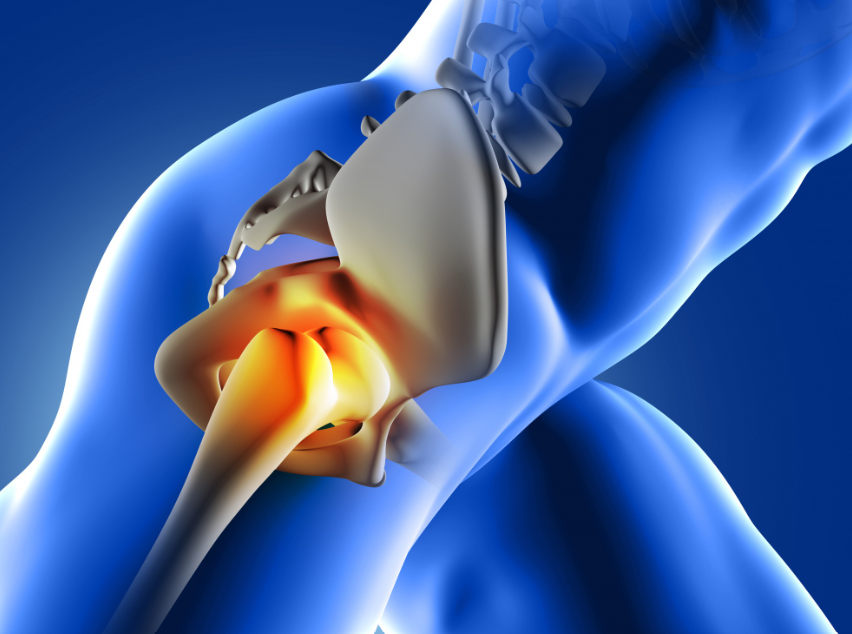
What is Gluteal Tendinopathy?
Gluteal tendinopathy is a common cause of hip pain. It happens when the tendons in your buttock area become irritated or damaged. These tendons connect your gluteal muscles to the hip bone. Often, people feel pain on the outside of the hip. This condition can affect daily activities, such as walking or climbing stairs. For many, gluteal tendinopathy can last for weeks or even months if not treated. Early care can help you recover faster and prevent further injury.
Common Causes
There are several reasons why gluteal tendinopathy develops. Understanding these causes can help you avoid the problem. For example, overuse or sudden increases in activity can strain the tendons. In addition, poor posture or weak hip muscles may play a role. Sometimes, direct injury or trauma to the hip can also lead to this condition.
According to research published in peer-reviewed journals, women and people over 40 are more likely to develop gluteal tendinopathy.
Signs and Symptoms
Gluteal tendinopathy often causes pain on the outside of your hip. However, symptoms can vary. Early signs may be mild, but they can get worse over time. For instance, you might notice discomfort during certain activities. In some cases, the pain may spread down the leg.
Sometimes, the pain can disturb your sleep, especially if you roll onto the sore side.
How Gluteal Tendinopathy is Diagnosed
Doctors and physiotherapists use several steps to diagnose gluteal tendinopathy. First, they ask about your symptoms and daily activities. Next, they perform a physical exam. During this exam, they may press on your hip or ask you to move your leg. These tests help find the exact source of pain.
In some cases, imaging tests like ultrasound or MRI may be needed. These tests can show tendon damage or rule out other problems. However, most people do not need advanced scans. A careful exam by a trained physiotherapist is often enough for diagnosis. According to the World Health Organization (WHO), early diagnosis leads to better outcomes.
Treatment Options
Treatment for gluteal tendinopathy focuses on reducing pain and improving movement. Most people get better with simple steps. However, it is important to follow a plan made by your physiotherapist.
In rare cases, doctors may suggest injections or surgery if other treatments do not help. However, most people recover without surgery. The Centers for Disease Control and Prevention (CDC) recommends early movement and exercise for better recovery.
Prevention and Lifestyle Tips
There are many ways to lower your risk of gluteal tendinopathy. For example, you can build strong hip muscles and use good posture. In addition, making small changes to your daily routine can help.
By following these tips, you can keep your hips healthy and active.
When to See a Physiotherapist
It is important to seek help if your hip pain does not improve. For instance, if pain lasts more than two weeks or gets worse, see a physiotherapist. Also, if you notice swelling, redness, or trouble moving your hip, get checked right away.
Early treatment can prevent long-term problems and help you return to normal activities sooner.
Consult a physiotherapist for personalized advice.