
Introduction
Stretching is a simple way to keep your body flexible and healthy. It means gently lengthening your muscles and moving your joints. Many people use stretching for flexibility and to help prevent injuries. In fact, stretching is important for everyone, not just athletes. When you stretch, you help your body move better and feel less stiff. According to the CDC, regular stretching can improve your range of motion and daily comfort.
Benefits of Stretching
Stretching offers many health benefits. First, it helps your muscles stay flexible. This makes it easier to move and do daily tasks. For example, you can bend, reach, or twist without pain. In addition, stretching for flexibility can lower your risk of muscle strains. It also helps prevent injuries during sports or exercise. Moreover, stretching can reduce muscle soreness after activity. According to the WHO, regular stretching supports healthy joints and muscles. Here are some key benefits:
Types of Stretching
There are different ways to stretch your muscles. Each type has its own purpose. Understanding these can help you choose the best injury prevention exercises for your needs.
How to Stretch Safely
Safe stretching tips can help you avoid injury. Always start slowly and listen to your body. Here is a simple step-by-step guide:
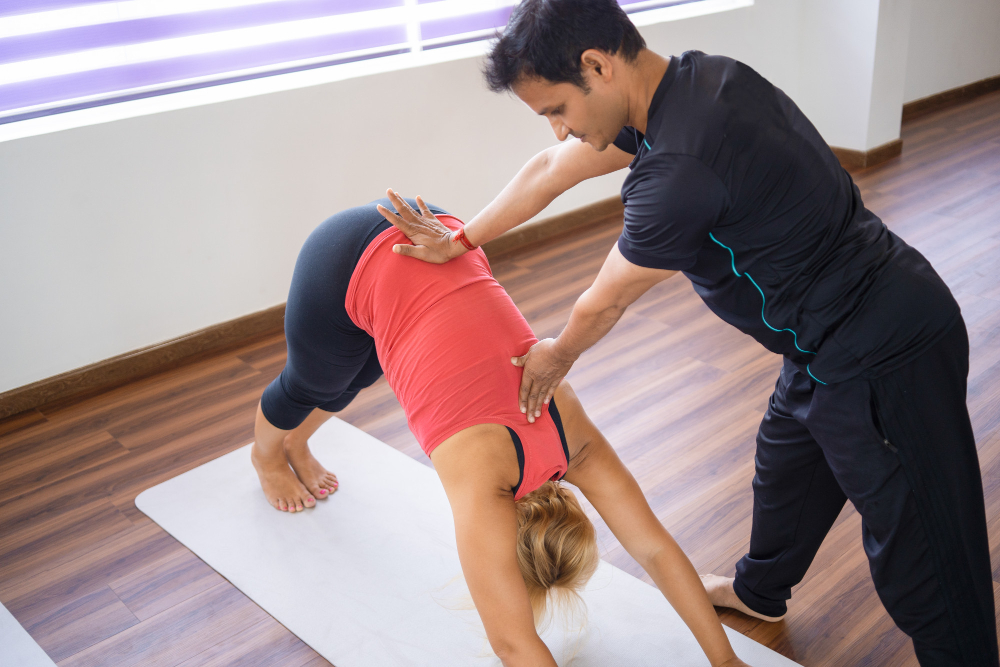
Remember, stretching should never hurt. If you are unsure, ask a professional for help.
Common Mistakes to Avoid
Even though stretching is simple, some mistakes can lead to problems. For example, stretching cold muscles can cause strains. Also, holding your breath or bouncing during a stretch is risky. Here are mistakes to watch out for:
Instead, focus on slow, steady movements and proper breathing.
Tips for Building a Stretching Routine
Building a regular stretching routine is easy with a few simple steps. First, set aside a few minutes each day. Next, choose stretches for all major muscle groups. In addition, try to stretch after exercise when your muscles are warm. Here are some helpful tips:
If you live in a specific area, look for local classes or stretching tips for your city. This can help you stay motivated and learn new techniques.
When to Seek Professional Advice
Sometimes, you may need help from a physiotherapist or doctor. For instance, if you have pain, injuries, or health problems, ask before starting new exercises. Also, if you are unsure about safe stretching tips, a professional can guide you. They can create a plan that fits your needs and goals. According to medical experts, personalized advice is best for people with special health concerns.
Conclusion
Stretching is a key part of staying flexible and preventing injuries. With the right routine, you can move better and feel healthier. However, always stretch safely and avoid common mistakes. For the best results, consult a physiotherapist for personalized stretching guidance.